


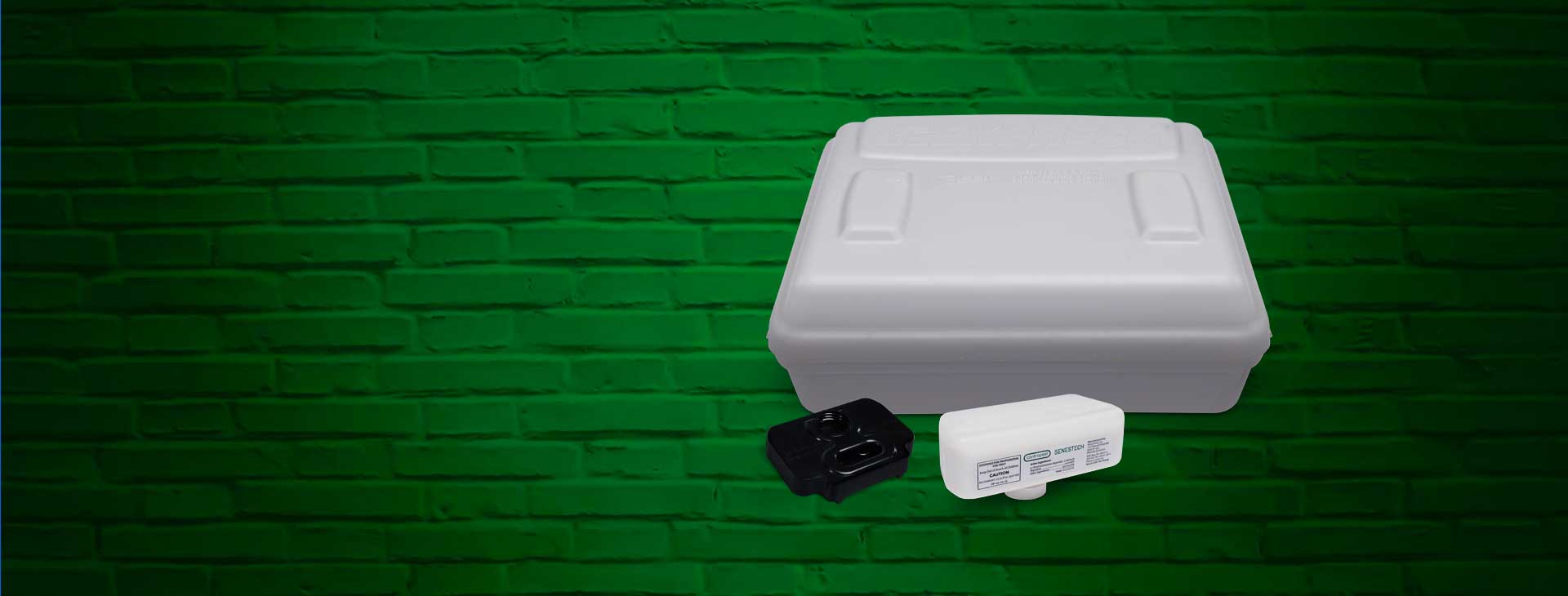





Is a Rodenticide Good Enough?
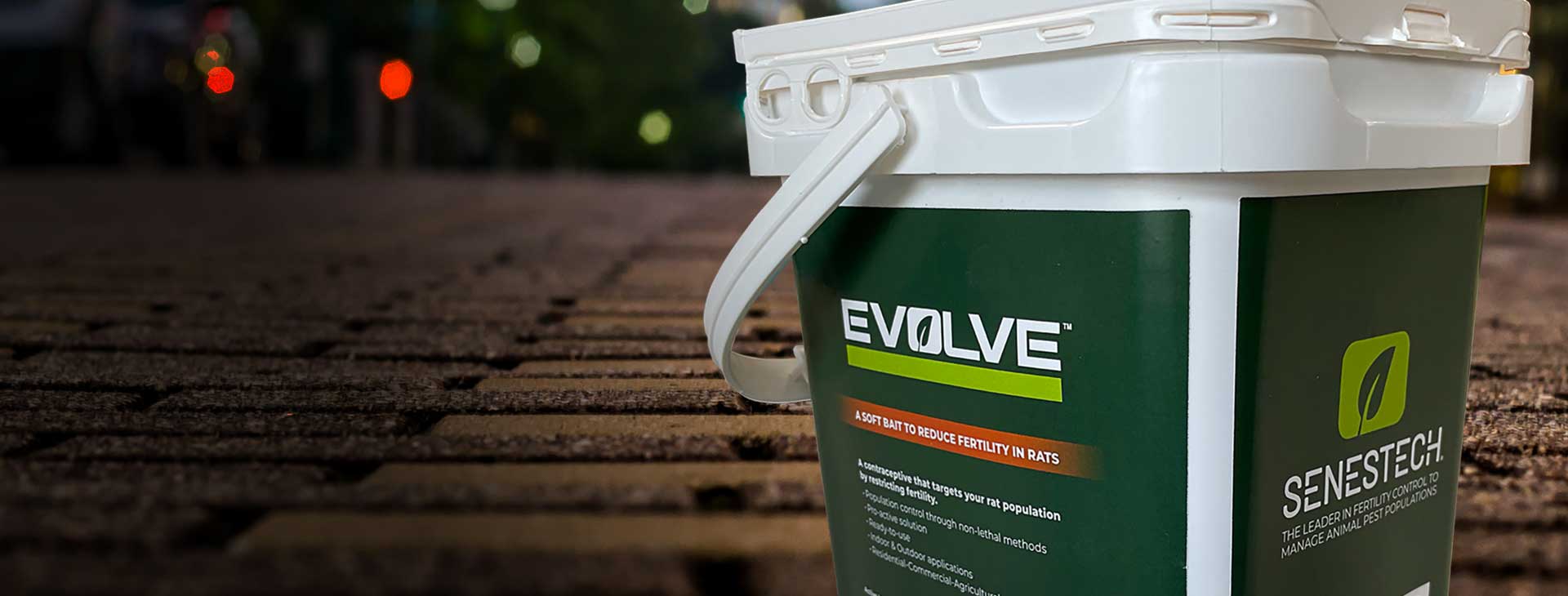
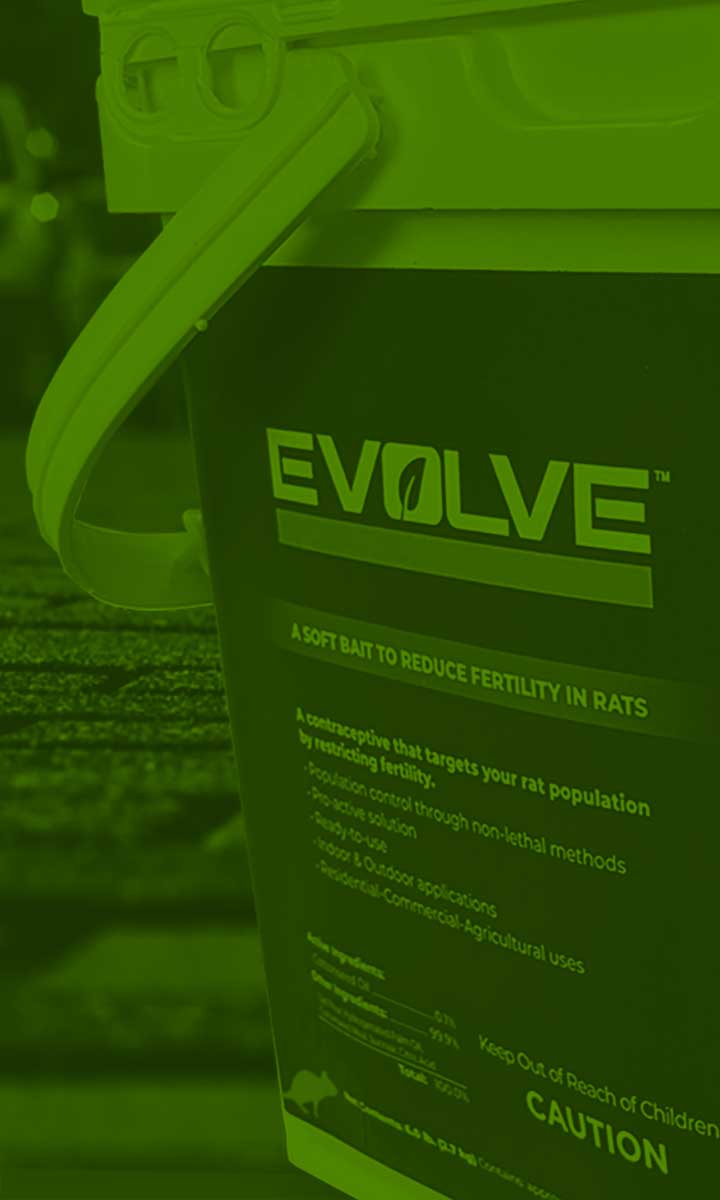
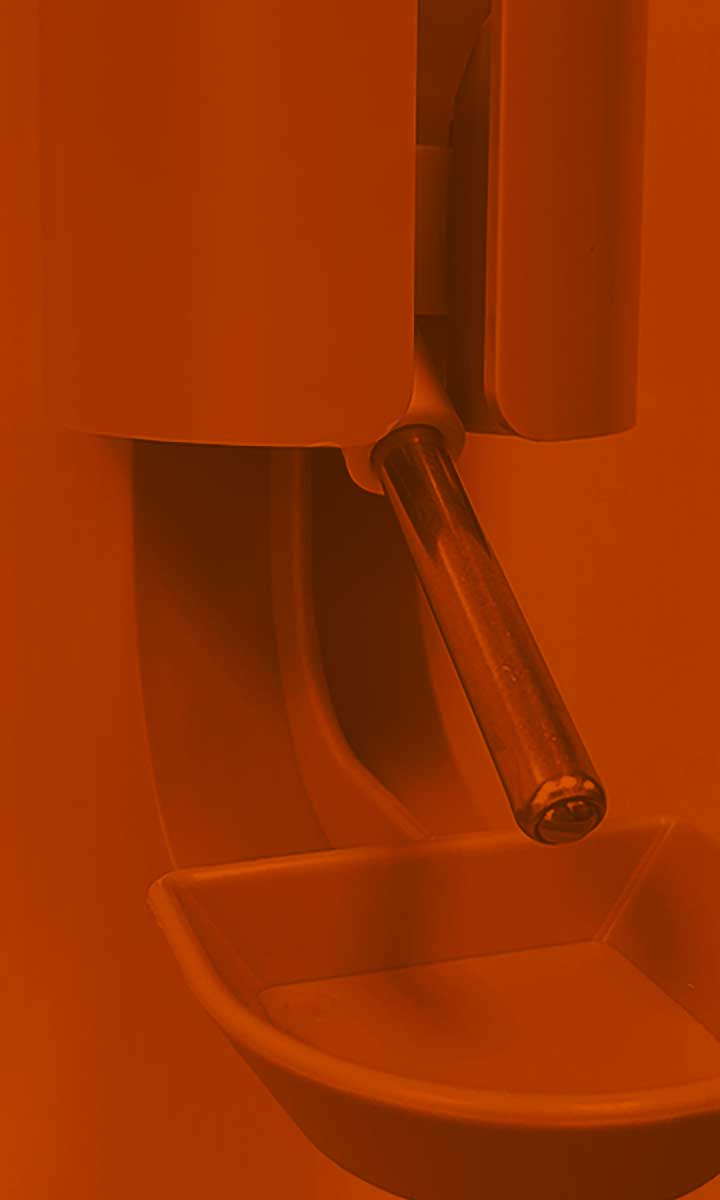
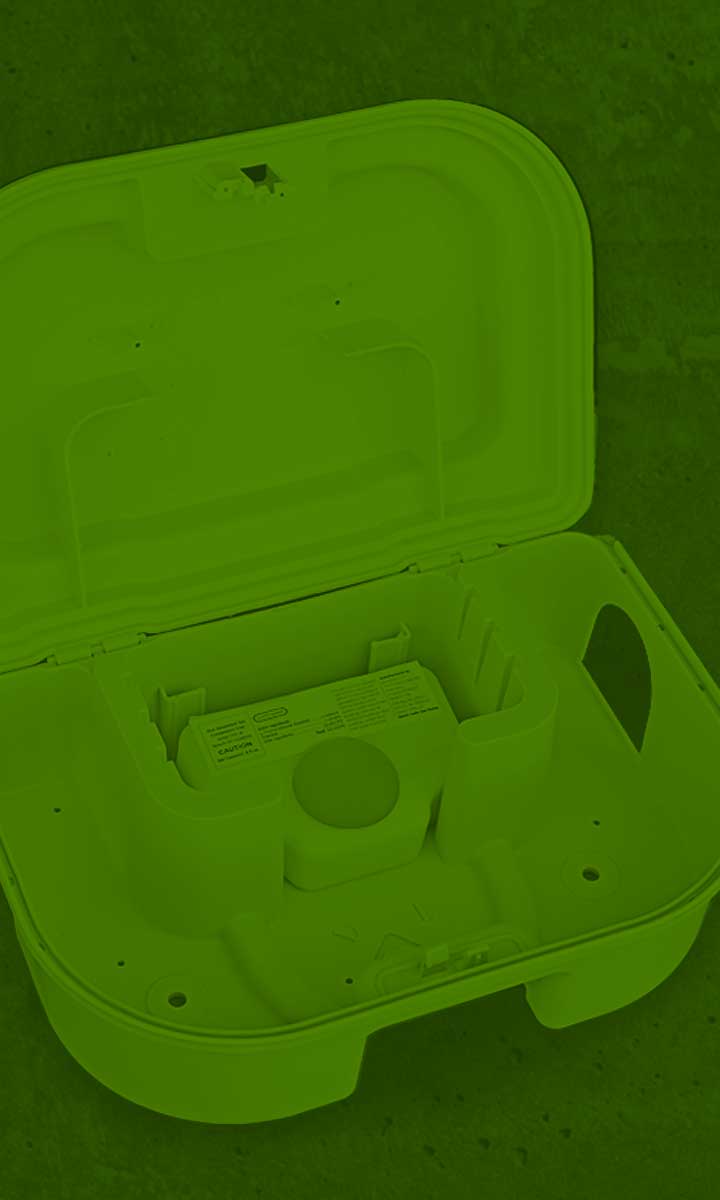
Learn how adding Evolve soft bait or ContraPest liquid to your Integrated Pest Management (IPM) program targets the source of an infestation for long-term success.
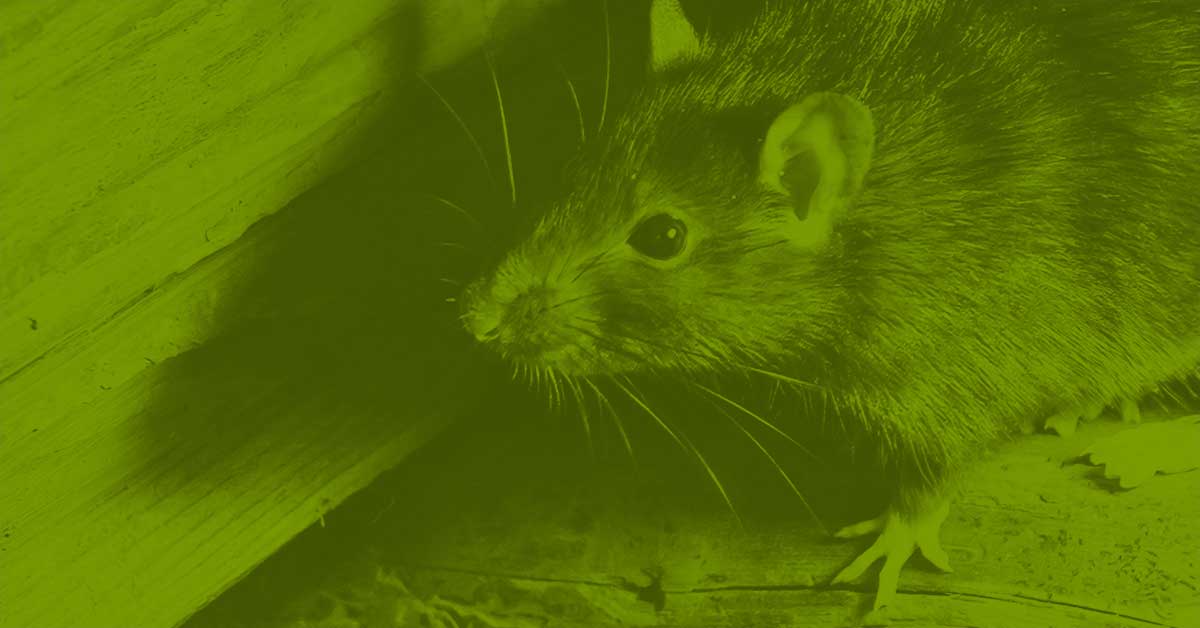
Trusted by Those Who Care The Most
SenesTech has been trusted by many pest management professionals, zoos, and animal sanctuaries since 2004.
Implementing ContraPest not only helped us increase our efficiency, but our client was so pleased with the results, the next month they gave us another 1,000 units!
Carmen Reino
We were thrilled to find ContraPest to control our rat population. We’ve seen a dramatic reduction in the numbers of rats in our barn. With ContraPest, we can just put out the product and, over a short amount of time, the rats stop reproducing. We are thrilled to have found SenesTech.
Kim Meagher

We have been using ContraPest to fight our rat problem at the zoo for about six months now, and we feel confident it's giving us an advantage in the battle.
Our use of Contrapest for the past six months has helped reduce our rat population and keep them from coming back. I recommend ContraPest for anyone who needs a different solution to this age-old problem.
Stephanie Perciful
I would use [ContraPest] on every account that has rats. Why would you want them to continue to populate while you are trying to solve a problem?
Terry Hoselton
[ContraPest] helps a lot to ease our minds about having effective rat control around animals that may kill and/or eat them.
- Choosing a selection results in a full page refresh.