
 Shop Now


Real people, real results

We have been using Evolve at our farm (in combination with poison). It definitely works. The first couple months we went through a LOT of product but kept after it and now our rodent problem isn’t a problem. Definitely worth it. Before we started treatment we lost 5 litters of rabbits. Give it a try. Definitely worth the investment if used according to directions.
5-0 Farm Hawaii

In 30 years I haven't seen anything like this! At the start of June, we were trapping 60-70 rats per week. By July end, we are trapping 1 per week."
Larry B.

UGH!!! 🙁 ANY rodent control allowed used outdoors needs to be ONLY rodent fertility products! -- NO poisons, no snap traps, no glue boards! None of those work any better. None of them are safe.

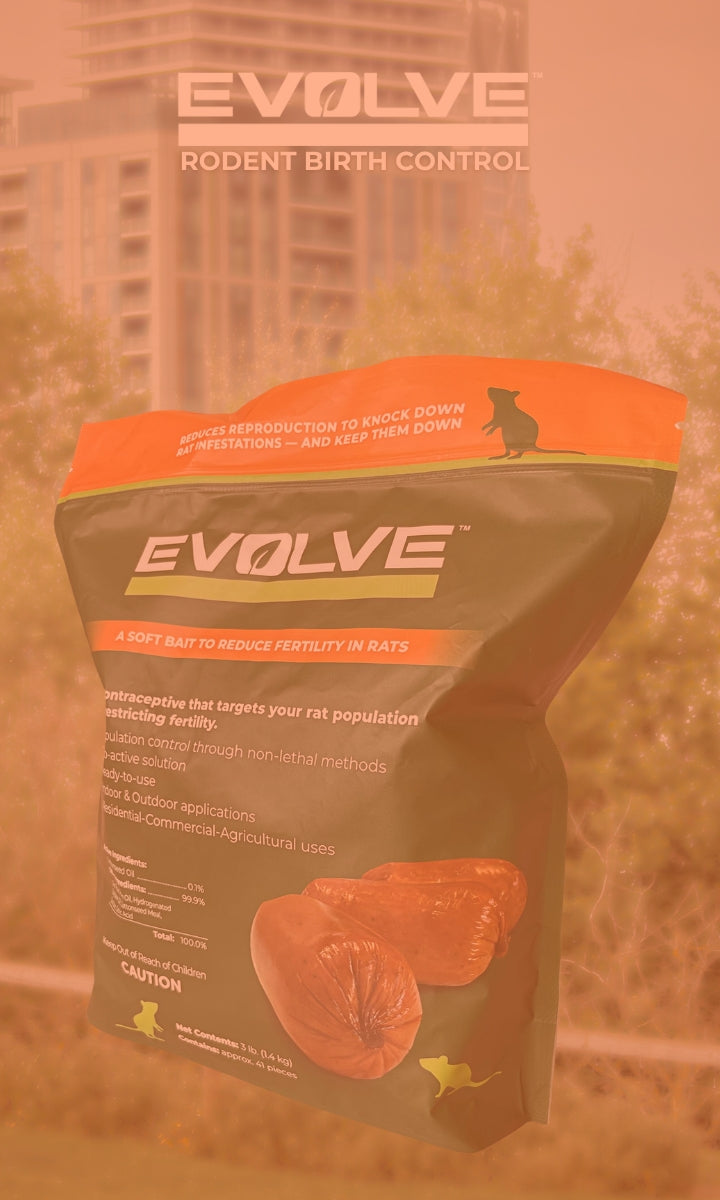
I've been using these sausages for about a month now and I noticed that their is less droppings from rats in my garage and around my house. I also tossed it in my garden and i noticed that they eat the sausages more than my vegetables and seedlings. I have no idea how many rats I have but I do know that I'm seeing less evidence of them already. I don't care how they are gone, just that they are.
Elizabeth

We have been using ContraPest to fight our rat problem at the zoo for about six months now, and we feel confident it's giving us an advantage in the battle.
The mice loved the bait and we started seeing results within weeks! We used snap traps with it and that seemed to really do the trick. I feel like this is a great addition to help with my little mouse problem. Delivery was pretty quick as well. Two thumbs up!
Tracy

We are definitely seeing a reduction in activity in the employee housing, office, storage and greenhouse areas.
Jose Aguirre, Food Safety Director

I’ve been utilizing SenesTech products for over a year now. Highly recommend Evolve for successful and humane method to control rat populations! Evolve is easy to use and rats love it!!
Janna Gaston
We were thrilled to find ContraPest to control our rat population. We’ve seen a dramatic reduction in the numbers of rats in our barn. With ContraPest, we can just put out the product and, over a short amount of time, the rats stop reproducing. We are thrilled to have found SenesTech.
Kim Meagher

First order [sic Evolve] from SenesTech arrived on schedule, Nicely packaged, prompt shipping, would recommend without hesitation. Same method used by many animal sanctuaries, vegan markets and farms. #FlacoLaw
Rat poison kills wildlife